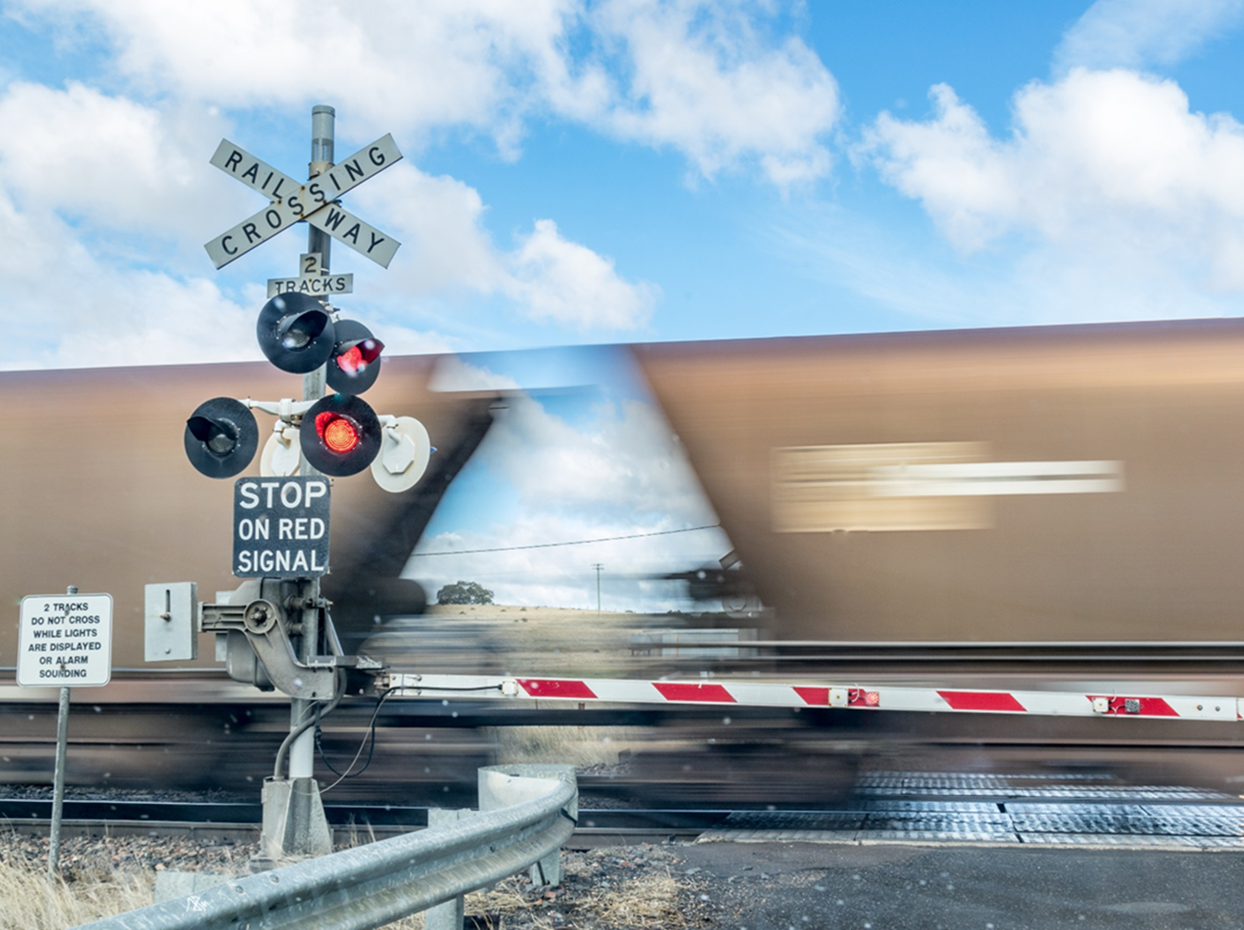
Every railway crossing is different. The layout of the road, visibility, signage, pedestrian access and surrounding trees and bushes all influence how safe a crossing is.
To help manage these risks, Australia uses the Australian Level Crossing Assessment Model (ALCAM), which is the national system used to assess the risk of every railway level crossing.
ALCAM assesses hundreds of factors that influence safety and helps road and rail authorities understand which crossings present the greates trisk and where improvements should be prioritised.
The challenge is that gathering this information has traditionally relied on manual site inspections. While effective, the seassessments can be time-consuming and resource-intensive, making it difficult to keep information as current as possible across thousands of crossings.
That's where NTRO's work comes in.
Working with transport and rail stakeholders, NTRO is helping modernise the way information is collected for ALCAM through the Accelerated Measurement for ALCAM (AM-ALCAM) project.
Importantly, AM-ALCAM doesn't replace ALCAM. It improves the way information is collected and fed into the model, making assessments faster, more consistent and more scalable.
Using technologies such as LiDAR, high-resolution imagery, computer vision and digital twins, the project is investigating how many traditionally manual measurements can instead be collected remotely or semi-automatically.
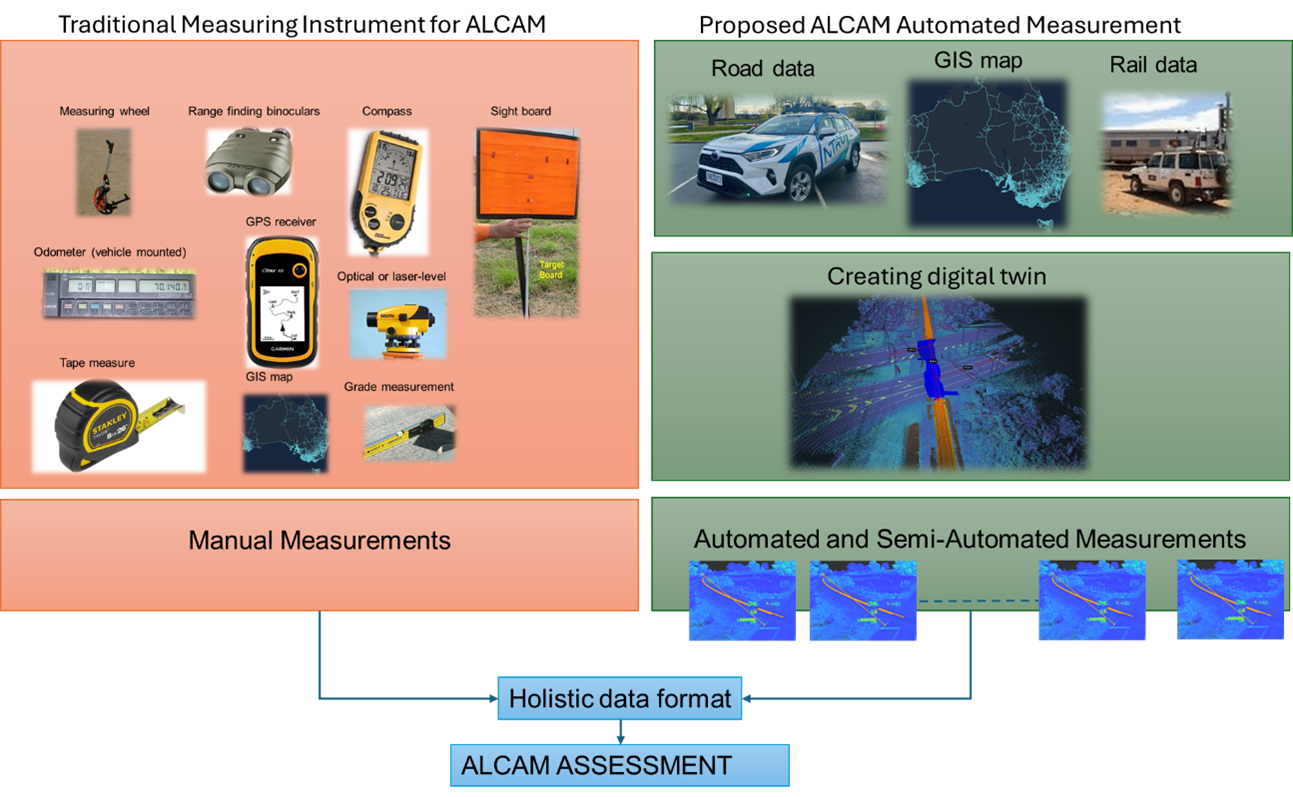
A digital twin creates a highly detailed virtual representation of a level crossing using survey data collected from both the road and rail corridors. Engineers can then assess features such as sight distance, road geometry, signage and pedestrian infrastructure within this virtual environment, reducing the need to repeatedly return to site while maintaining the quality of the assessment.
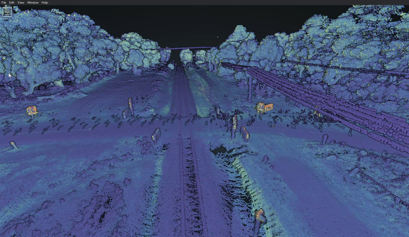
The project has already demonstrated that many ALCAM attributes can be measured more efficiently using these technologies, while recognising that some assessments will continue to benefit from expert on-site judgement. The result is a practical, hybrid approach that combines automation with human expertise.
Supporting better rail safety decisions
The value of this work is straightforward: better information leads to better decisions.
By making level crossing assessments faster and more consistent, road and rail authorities can access more up-to-date information, identify changing risks earlier and prioritise safety improvements where they're needed most. The project also helps improve the consistency of assessment data while reducing manual effort and supporting a more efficient use of specialist resources.
Supporting National Rail Safety Week
National Rail Safety Week is an important reminder for everyone to stay alert around railway crossings, follow the signs and nevertake unnecessary risks.
Supporting safer behaviour is one part of improving rail safety. Equally important is ensuring the people responsible for managing Australia's level crossings have the best possible information to identify risks, prioritise improvements and make evidence-based decisions.
Together, informed road users and better risk assessment help create safer railway crossings for everyone.


.jpg)