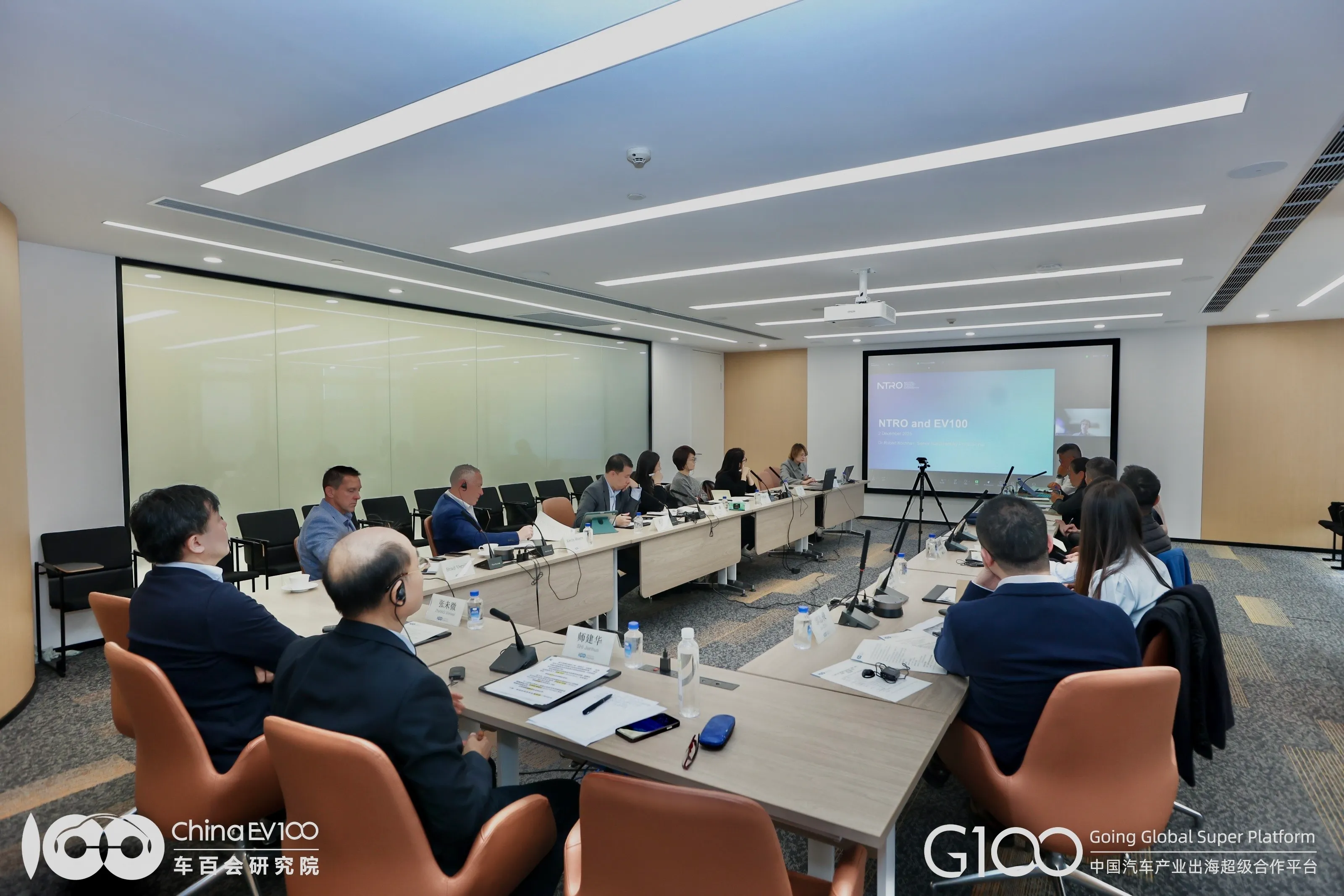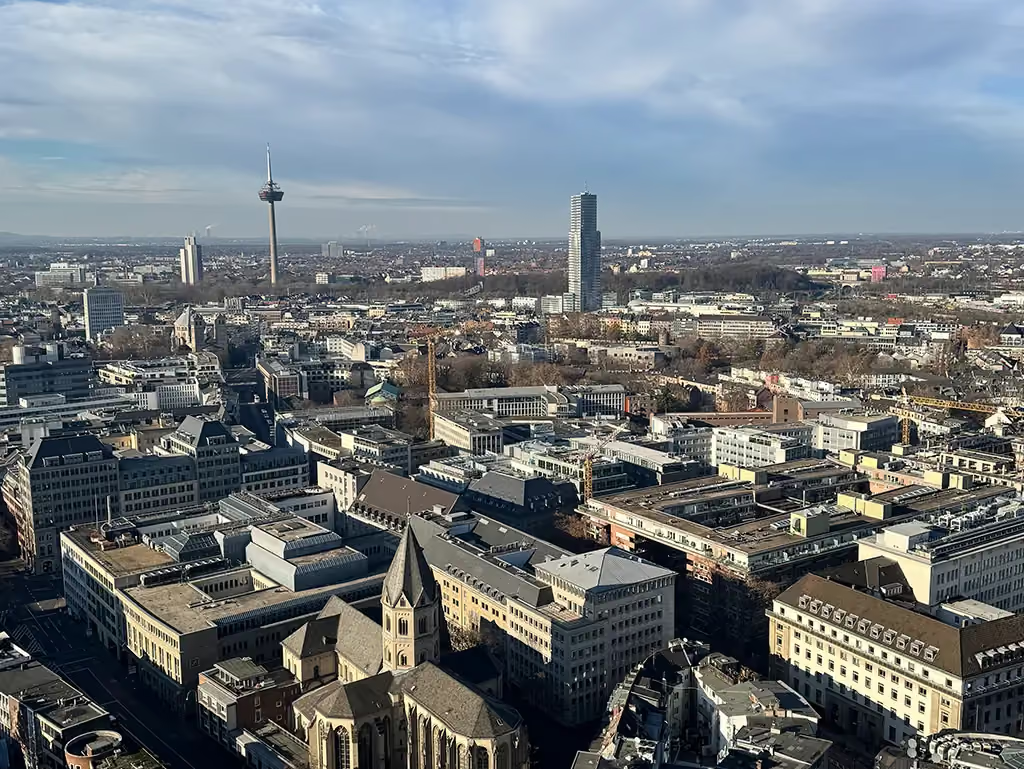
NTRO has completed its 2025 Technical Visit trip to Europe, with several stops to leading research organisations and technology partners across the United Kingdom, Belgium and Germany. The program strengthened our global relationships, advanced key technical discussions, and highlighted new opportunities for collaboration in infrastructure measurement, safety, autonomy and sustainability.
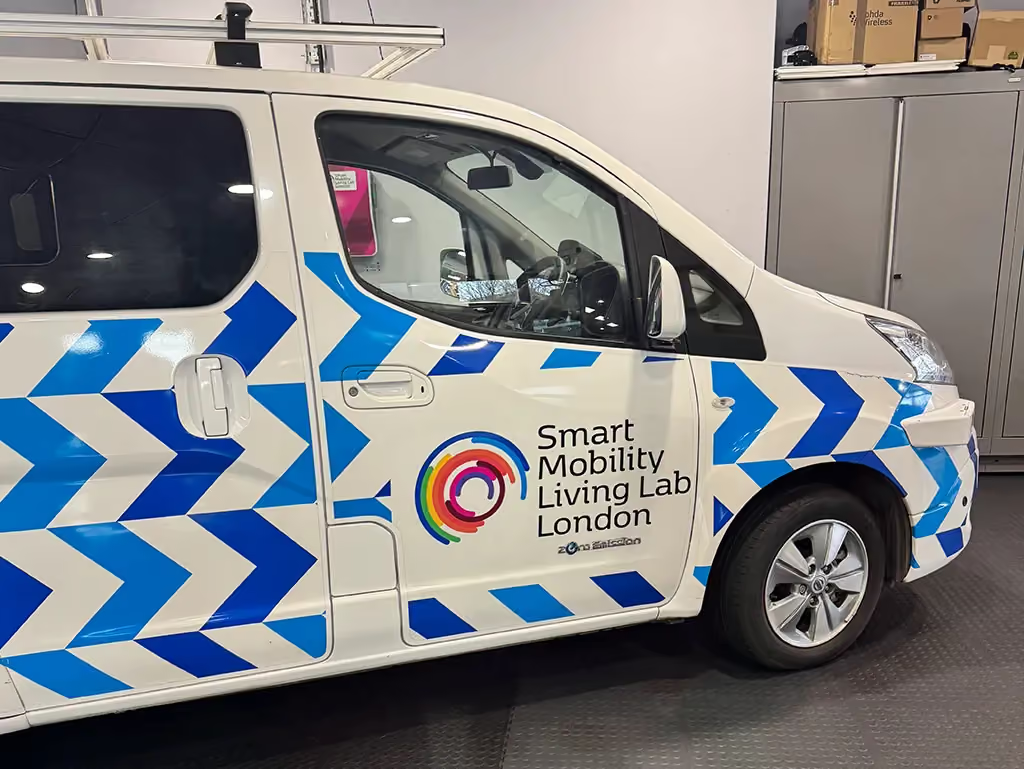
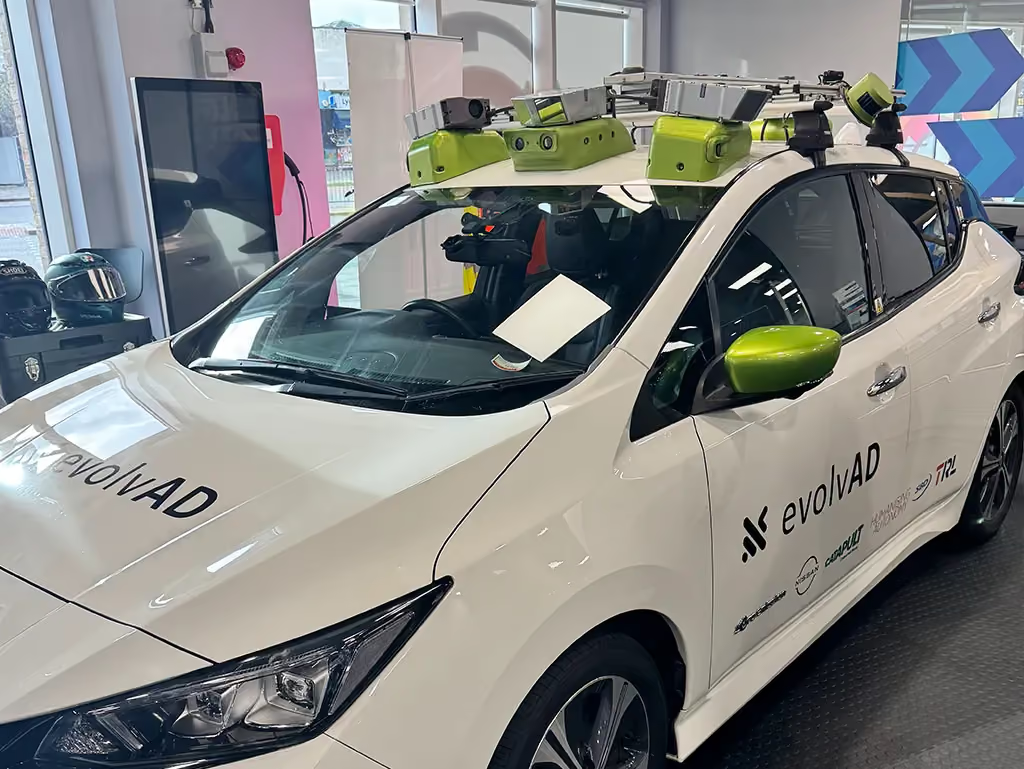
The trip began in London with a visit to the Transport Research Laboratory (TRL) Smart Mobility Living Lab, a real-world test environment for emerging mobility technologies. TRL is one of NTRO’s longest standing international relationships. The meeting provided both organisations with the chance to compare priorities and explore the broader context of managing a fully paved national network, including the increasing importance of large-scale pavement measurement programs. The discussions also opened pathways for joint involvement in future international events, including the ITS World Congress, and set the foundation for deeper collaboration in mobility research and technology development.
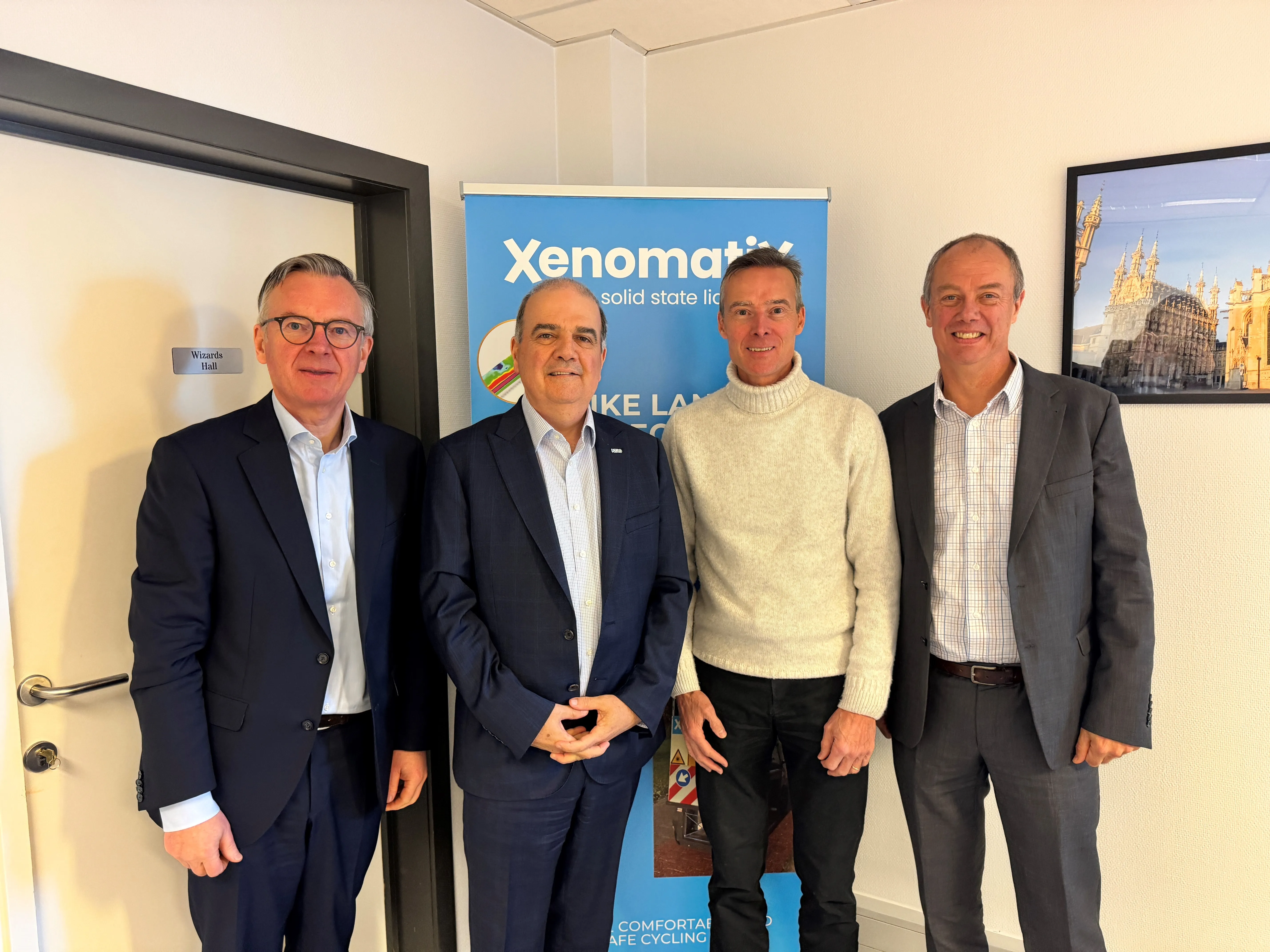
In Belgium, NTRO met with Xenomatix to review their solid-state LiDAR sensing technologies and assess potential applications for NTRO’s fleet. The visit highlighted opportunities to expand into new measurement domains, including low-speed assessment for footpaths and shared paths using the XenoBike. Resembling an Australian Post bike, this tool assesses bike lanes and sidewalks for any possible defects or safety issues under the surface. As the Australian public increasingly adopts cycling and alternative mobility modes, this technology would be highly beneficial. Technical exchanges also examined surface profiling and IRI measurement techniques, with both organisations expressing interest in joint evaluation work that can support cost-effective options for Australian networks.
The next stop was in Germany with a visit to the Federal Highway Research Institute (BASt). Meeting with their senior leadership team provided valuable insight into their TSD program and how the measurements influenced national decision making. They also provided a detailed look into their national safety framework and how it guides action based on twelve areas: safety and mobility, future proofing standards and regulations, improving traffic culture, promoting and implementing effective measures at national scale, emerging technologies and automation, freight safety, safe cycling, mobility for children and young people, safe walking and inclusion, motorcycling safety, learning in the age of changing mobility, and mitigating the consequences of accidents. The exchange offered a strong reference point for ways to adopt a system like this in Australia. The meeting concluded with several focus areas for future collaboration.
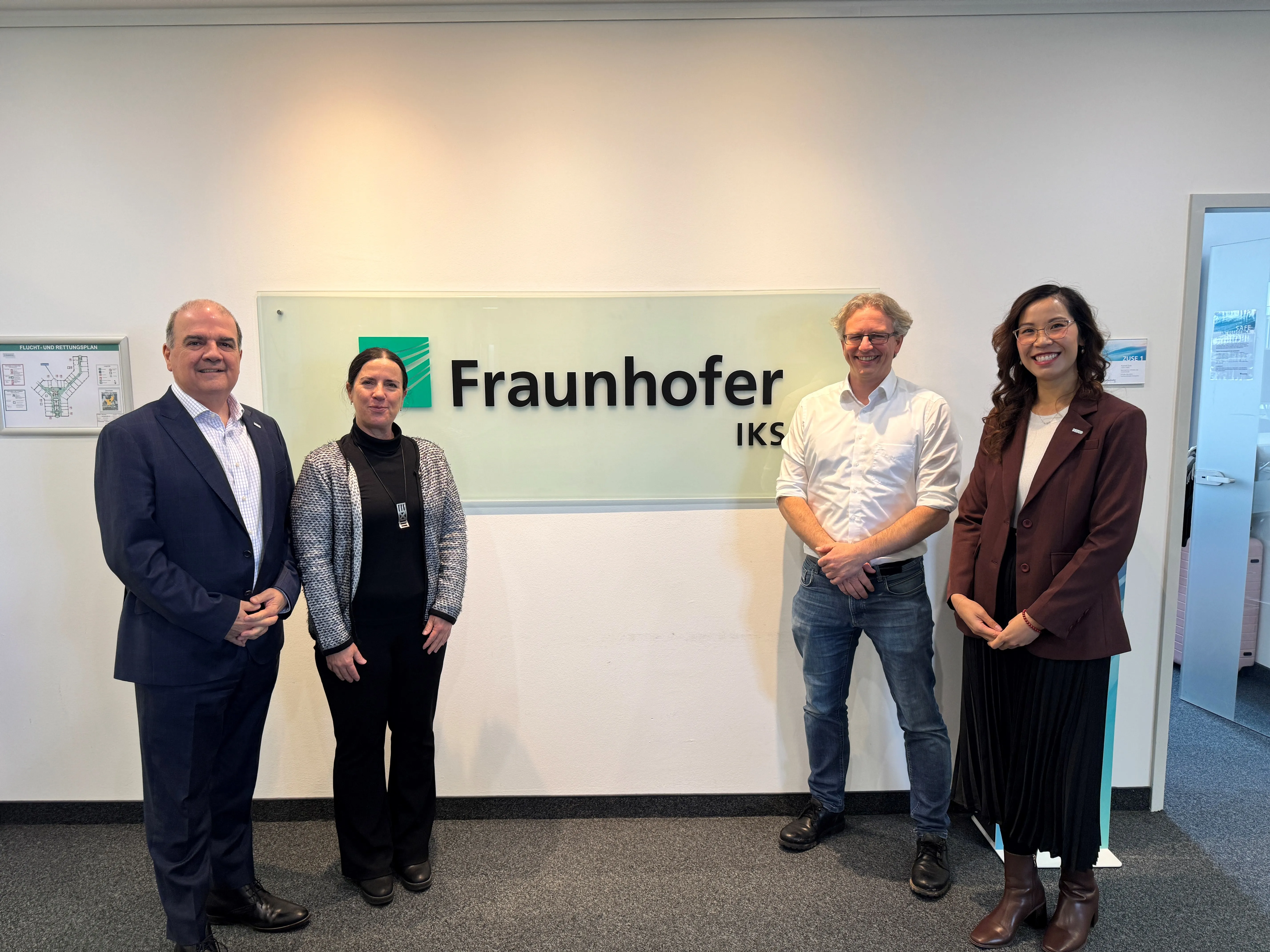
The delegation also met with the Fraunhofer Institute for Cognitive Systems IKS in Munich to explore structured research partnerships that can strengthen national evidence bases and future Commonwealth programs. Discussions focused on autonomy and intelligent systems, serious injury reduction, and the transition to more resilient and low-emission transport infrastructure. Fraunhofer’s broad research capability presents clear opportunities to develop comparative studies and forward-looking assessments that support Australian decision making.
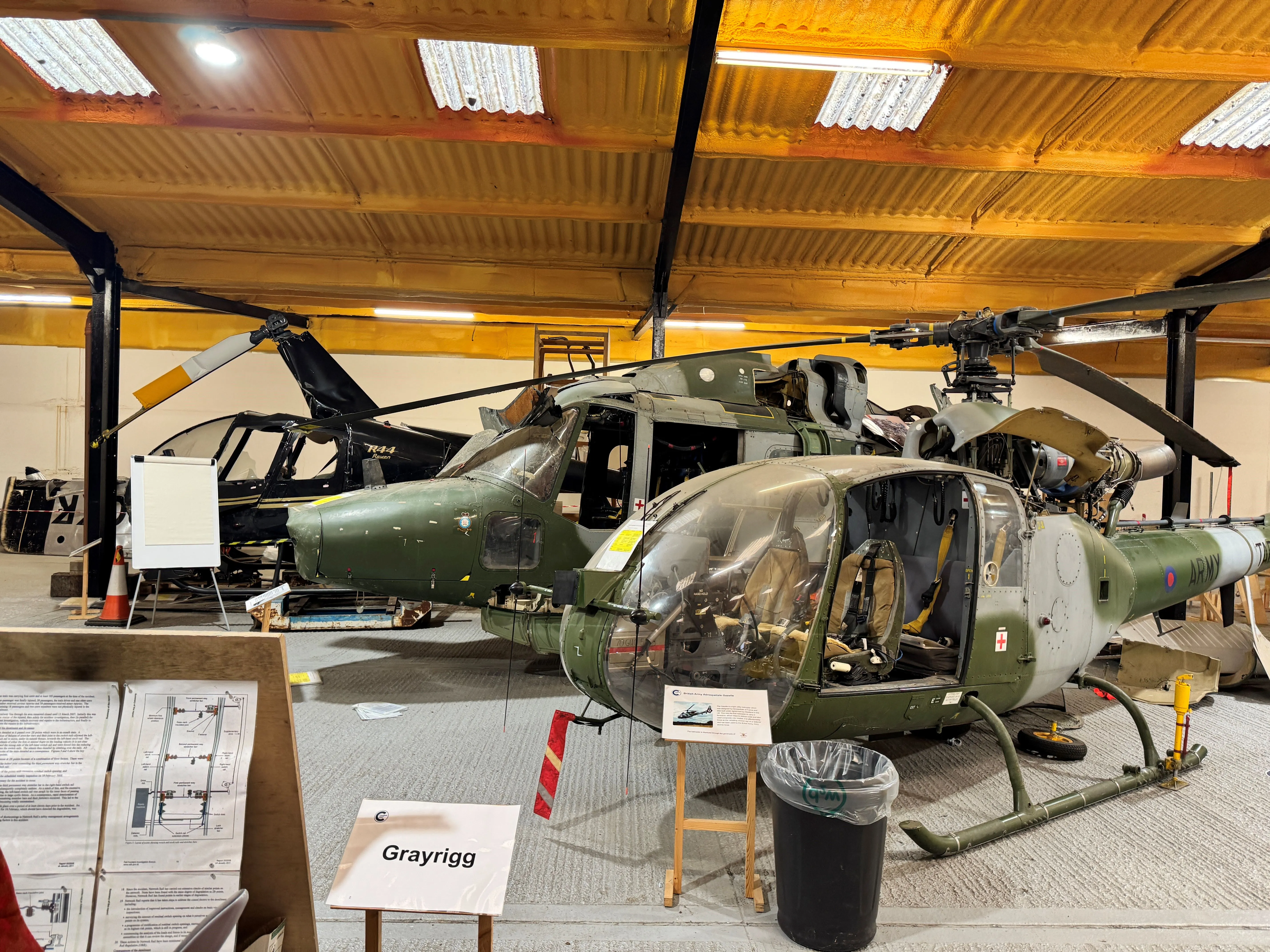
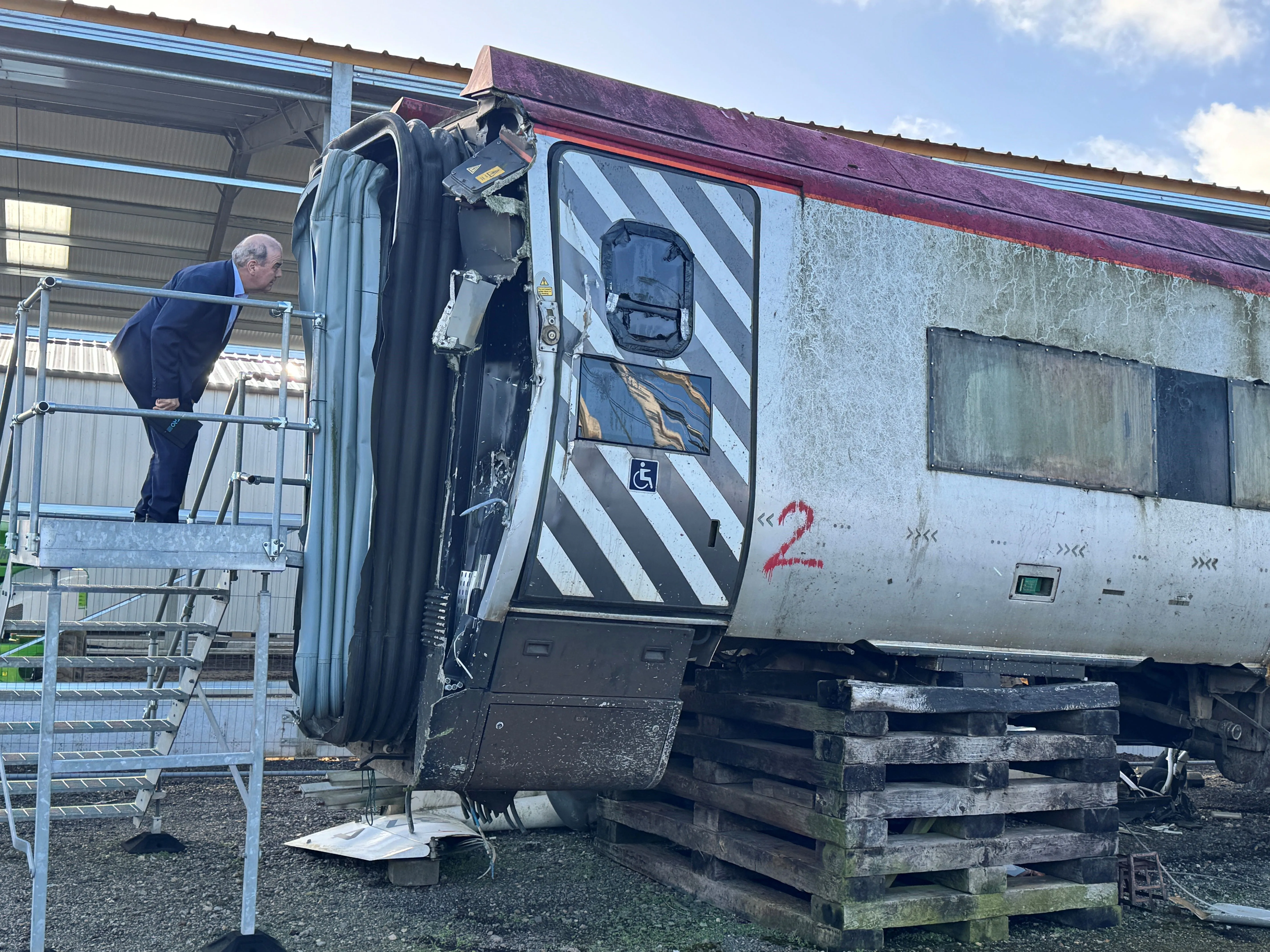
The trip concluded with a visit to Cranfield University to progress collaboration in multimodal accident investigation and training. NTRO was guided through a tour of their accident investigation facilities and accident exhibits that empower course delegates to gain hands-on experience with real evidence. Discussions explored opportunities for new joint research programs, and partnership activities to support crash investigation across air, maritime, road and rail.
Every engagement across the European visit was highly productive and saw strong alignment with NTRO’s mission. It was exciting to see the clear appetite from international partners to work collaboratively on the next generation of transport solutions. The insights and relationships strengthened through this year’s Technical Visit will directly support NTRO’s work across Australia and New Zealand, increasing our capability and accelerating the development of safer, smarter and more sustainable mobility for the community.



.jpg)