
Training

Introduction to Airport Pavements

Foundation
Introduction
Online
2 Hours
2
CDP Hours
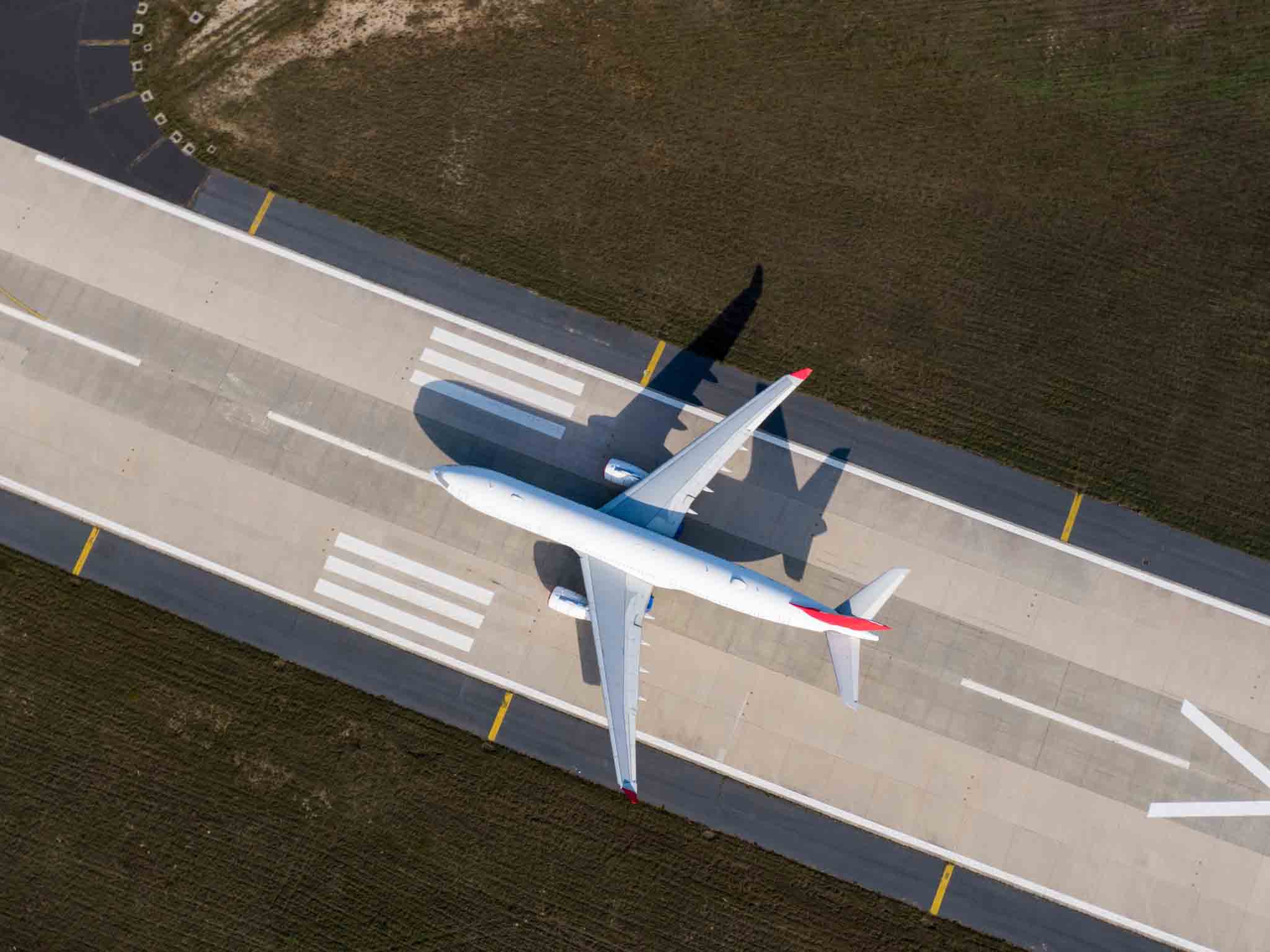
Ariel view of a plane on an airport runway.
This course is in partnership with
Learning methods
Case studies
AR/VR Component
Expert Led
Learn at your own pace
Assessments
Online Quiz
Practical Learning - No Assessment
Practical Assessment
Knowledge checks and scenarios
Outcome
Certificate of Foundational Knowledge
Certificate of Completion
Certificate of Attendance
2
CPD Hours
Learning methods
Case studies
AR/VR Component
Expert Led
Learn at your own pace
Assessments
Online Quiz
Practical Learning - No Assessment
Practical Assessment
Level 1
12
CPD Hours
Certificate of Foundational Knowledge
Certificate of Attendance (NTRO)
Levels 1 and 2
24
CPD Hours
Certificate of Foundational Knowledge
Certificate of Attendance (NTRO)
Levels 1 and 2 and Accreditation
54
CPD Hours
Certificate of Foundational Knowledge
Certificate of Attendance (NTRO)
Statement of Attainment (Rudtek)

Enrol now!

Don't wait, enrol in this online course today!

Enrol now
Course price
$
249
%
$
00
Course pricing designed to support your learning journey!

Don't see this course in your city?

Don't see a course in your area? Register your interest now and let us know where you would like to study.

Register your interest

Course Description

Understand the pavement risks that can become aircraft safety risks

Airport pavements may look like roads – but they work much harder. They must carry extreme aircraft loads, withstand high tyre pressures and provide a consistently smooth, well-drained surface with reliable friction and no loose material.

When airport pavement performance falls short, the consequences can be serious. Standing water can increase aquaplaning risk. Reduced friction can affect braking and directional control. Surface deterioration can generate Foreign Object Debris (FOD) capable of damaging an aircraft or being ingested into an engine.

This self-paced online course takes you beneath runways, taxiways and aprons to reveal how airport pavements work, what affects their performance and why their condition is critical to safe aircraft operations. Designed for airport personnel, engineers, consultants, contractors, asset managers and local government professionals, the course makes essential pavement concepts accessible – even if you do not have specialist pavement engineering experience.

Explore the layers beneath an airport pavement, compare flexible and rigid structures, and discover why aircraft impose far greater demands than road vehicles. Examine the effects of aircraft loads, tyre pressures, drainage, friction, smoothness and FOD, and learn to connect visible pavement problems with their potential operational and safety consequences. You will also navigate Australia’s airport pavement regulatory landscape, including CASR Part 139, MOS Part 139, CASA Advisory Circulars and the ACR–PCR pavement strength rating system.

Developed with NTRO’s specialist pavement expertise, the course uses clear explanations, real-world examples and regular knowledge checks to turn complex engineering and regulatory information into practical knowledge you can use. Build the understanding to recognise risks earlier, interpret technical advice, ask better questions and support informed pavement decisions before deterioration disrupts operations or compromises safety.

Enrol now to strengthen your airport pavement knowledge – and help keep aircraft moving safely on the ground.

Course structure

  1. Look beneath the surface – discover how airport pavements are structured, how they work and how they have evolved.
  2. See why airports are different – compare airport and road pavements and explore the impacts of aircraft loads, tyre pressures, friction, drainage and FOD.
  3. Navigate the Australian framework – understand the roles of CASA requirements, industry guidance and the ACR–PCR system.
  4. Recognise what drives performance – compare flexible and rigid pavements and identify the factors that keep them safe and serviceable.

Topics Covered

  1. Purpose and function of airport pavements
  2. Runways, taxiways and aprons
  3. Layered airport pavement structures
  4. Evolution of airport pavement engineering
  5. Differences between airport and road pavements
  6. Aircraft wheel loads and load distribution
  7. Aircraft tyre pressures
  8. Take-off, landing and ground-movement demands
  9. Pavement-generated Foreign Object Debris
  10. Surface friction and aircraft braking
  11. Drainage, surface water and aquaplaning
  12. Pavement smoothness and surface condition
  13. Airport pavement risks and aircraft safety
  14. Australian airport pavement regulation
  15. CASR Part 139 and MOS Part 139
  16. CASA Advisory Circulars
  17. ACR–PCR pavement strength ratings
  18. Australian airport pavement guidance
  19. Flexible pavement structures
  20. Rigid pavement structures
  21. Structural pavement performance
  22. Functional pavement performance
  23. Subgrade conditions and pavement thickness
  24. Environmental and operational impacts
  25. Pavement deterioration, inspection and maintenance considerations

Learning Outcomes

By the end of this course, participants will be able to:

  1. Explain the purpose of airport pavements.
  2. Describe the layered structure beneath runways, taxiways and aprons.
  3. Summarise how airport pavements have evolved to meet changing aircraft demands.
  4. Explain the critical differences between airport and road pavements.
  5. Describe how aircraft loads and tyre pressures affect pavement requirements.
  6. Explain how FOD and pavement condition can put aircraft safety at risk.
  7. Describe the Australian regulatory framework for airport pavements.
  8. Distinguish between CASR Part 139 and MOS Part 139.
  9. Explain how CASA Advisory Circulars support airport pavement management.
  10. Describe the ACR–PCR pavement strength rating system at an awareness level.
  11. Identify the key guidance available to Australian airport owners and operators.
  12. Describe how flexible and rigid pavements are structured and carry aircraft loads.
  13. Compare flexible and rigid pavement systems.
  14. Distinguish between structural and functional pavement performance.
  15. Identify the functional requirements that support safe aircraft operations.
  16. Recognise the factors affecting airport pavement performance over time.

Course price

Level 1
$
1,750
off
%
$
00
Don’t worry about future payments. Pay now in full
Levels 1 and 2
$
2,475
off
%
$
00
Don’t worry about future payments. Pay now in full
Levels 1 and 2 and Accreditation
$
4,100
off
%
$
00
Don’t worry about future payments. Pay now in full
Book now, pay later
$
Invoice
off
%
$
00
Don't wait another moment. Book now and pay later via invoice
Group bookings of 6+
$
-10%
off
%
$
00
Book a group of 6 or more people and get 10% off the full price.
Course Price
$
249
%
$
00
Course pricing designed to support your learning journey.
Book now, pay later
$
Invoice
off
%
$
00
Don't wait another moment. Book now and pay later via invoice
Group bookings of 6+
$
-10%
off
%
$
00
Book a group of 6 or more people and get 10% off the full price.