Transport as the Community Connector
Australia’s communities are changing. Population growth, an ageing population, housing pressures, regional growth and changing expectations around how people travel are all placing new demands on our transport networks.
The question is not simply how we build more infrastructure to accommodate that growth. It is whether the transport systems we are planning today will connect people to the jobs, healthcare, education, services and communities they need in the decades ahead.
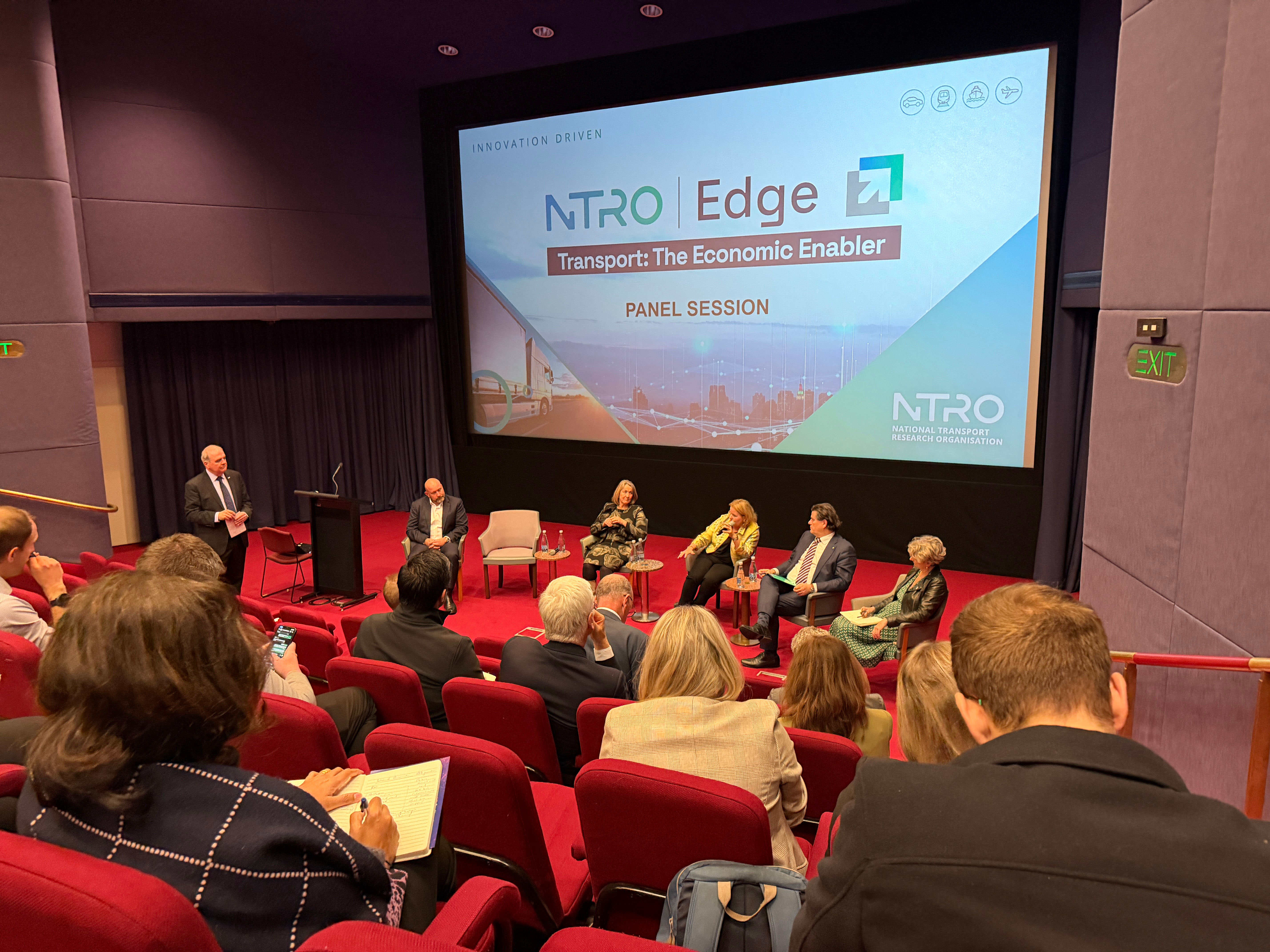
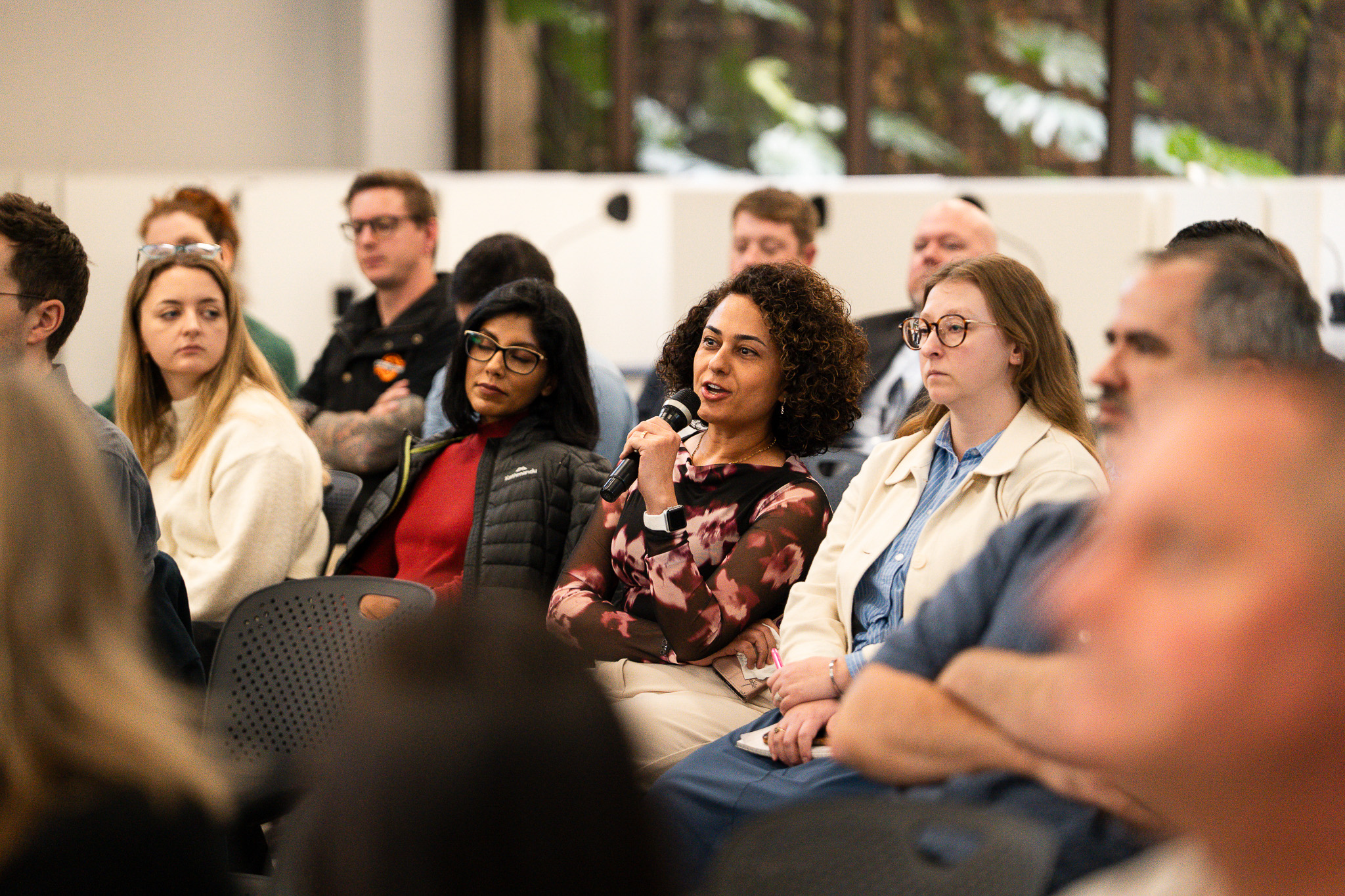
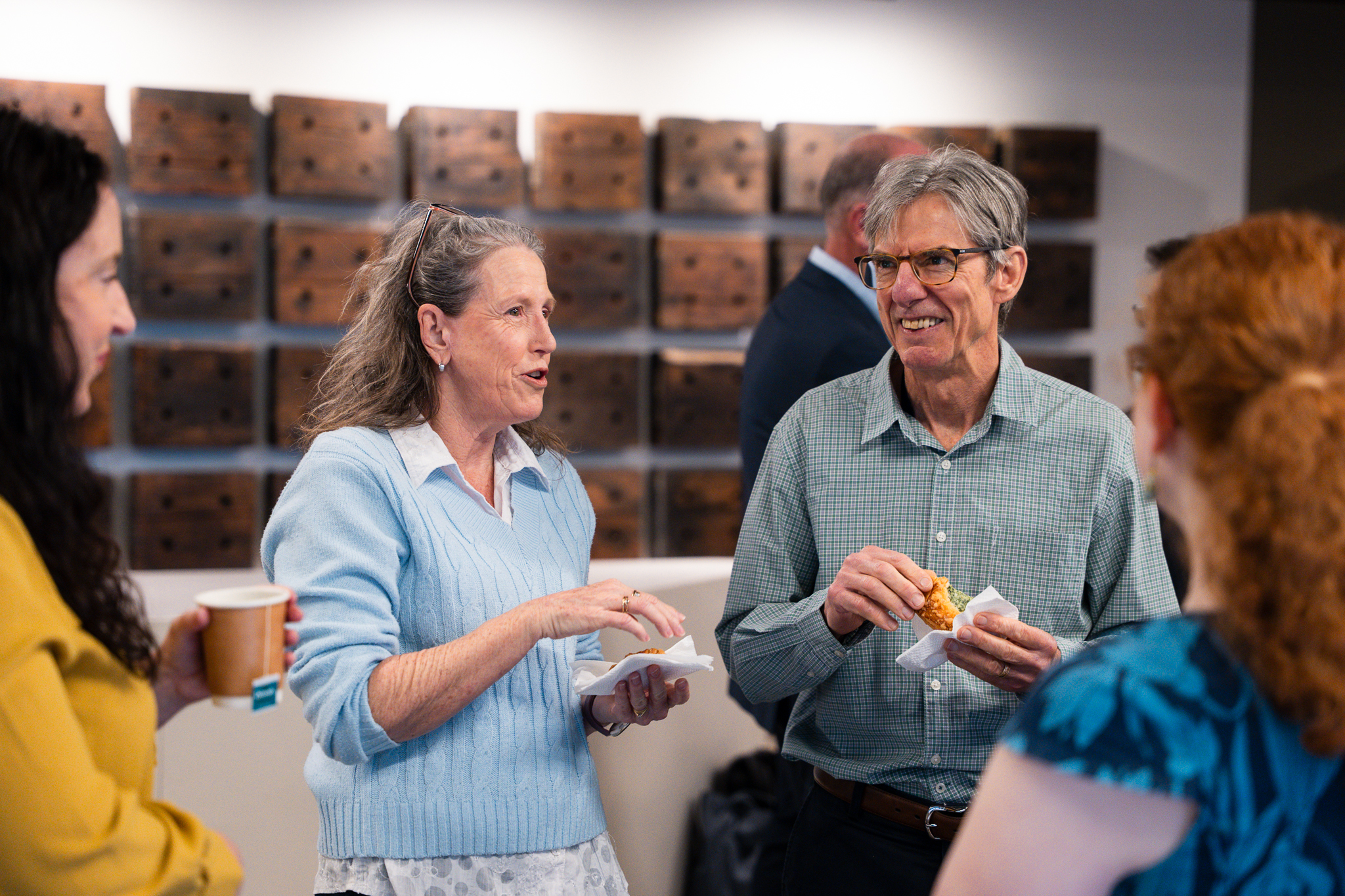
That was the focus of the second NTRO Edge event, Transport: The Community Connector, held in Brisbane at the Queensland Department of Transport and Main Roads.
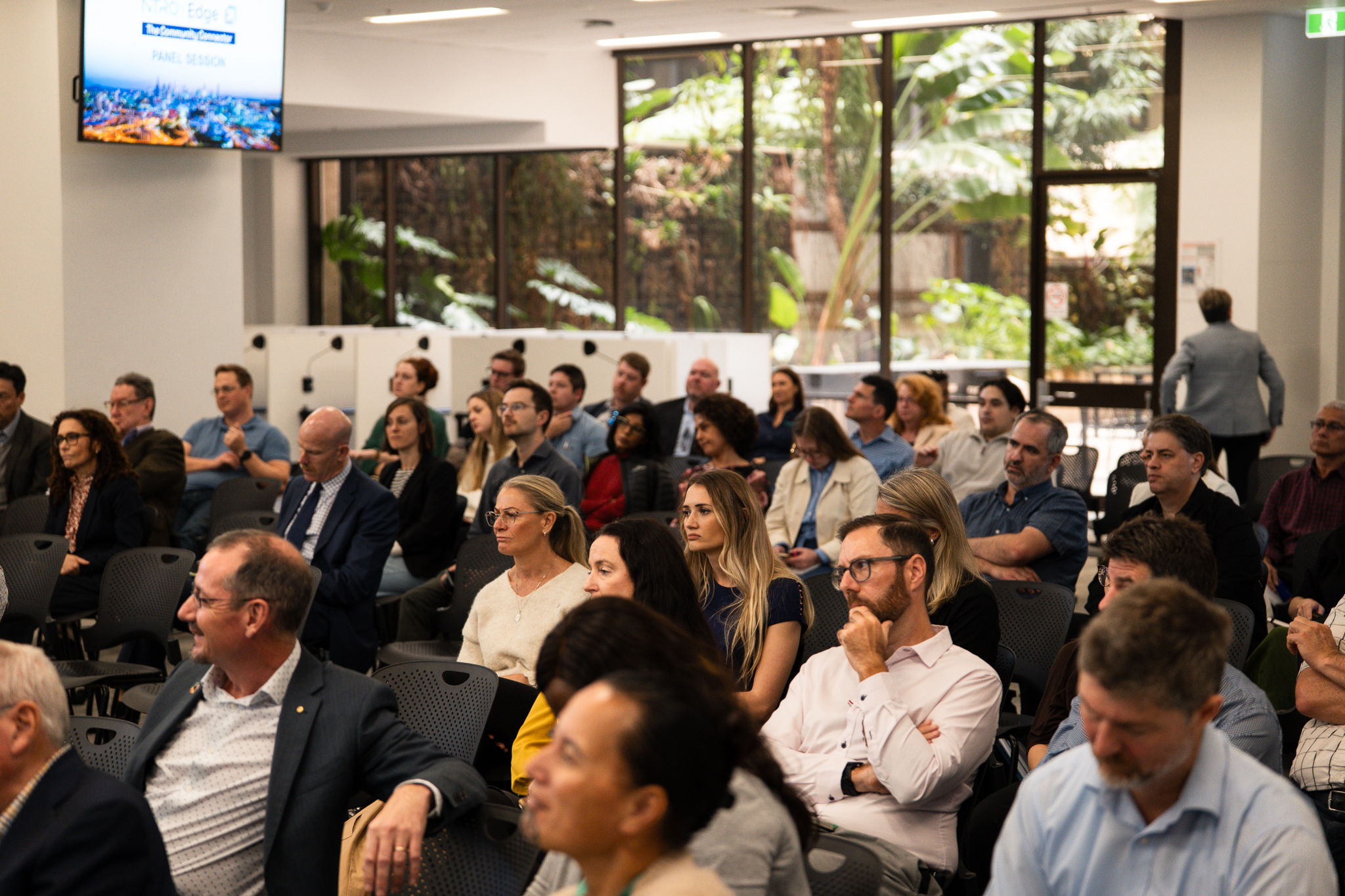
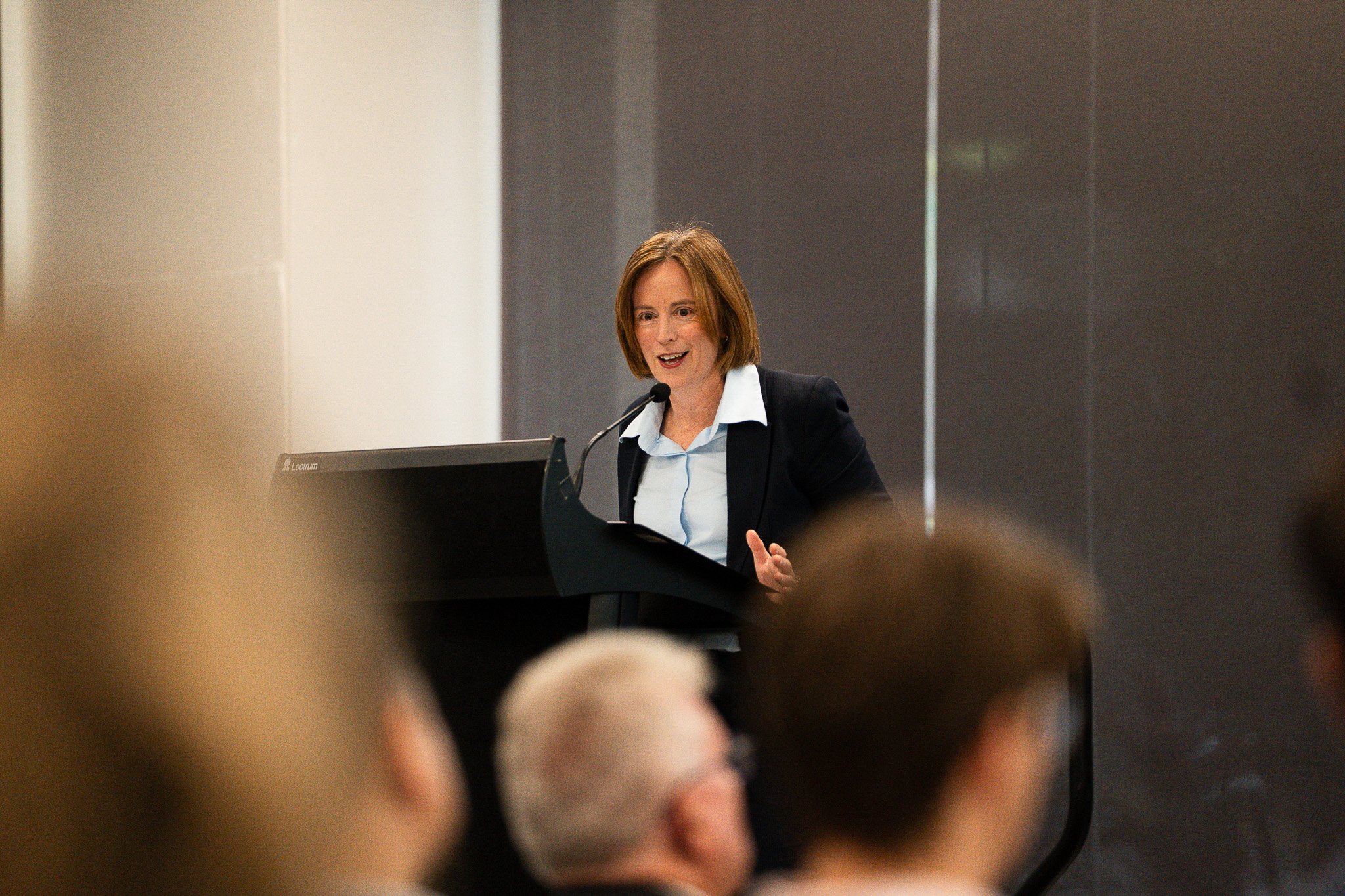
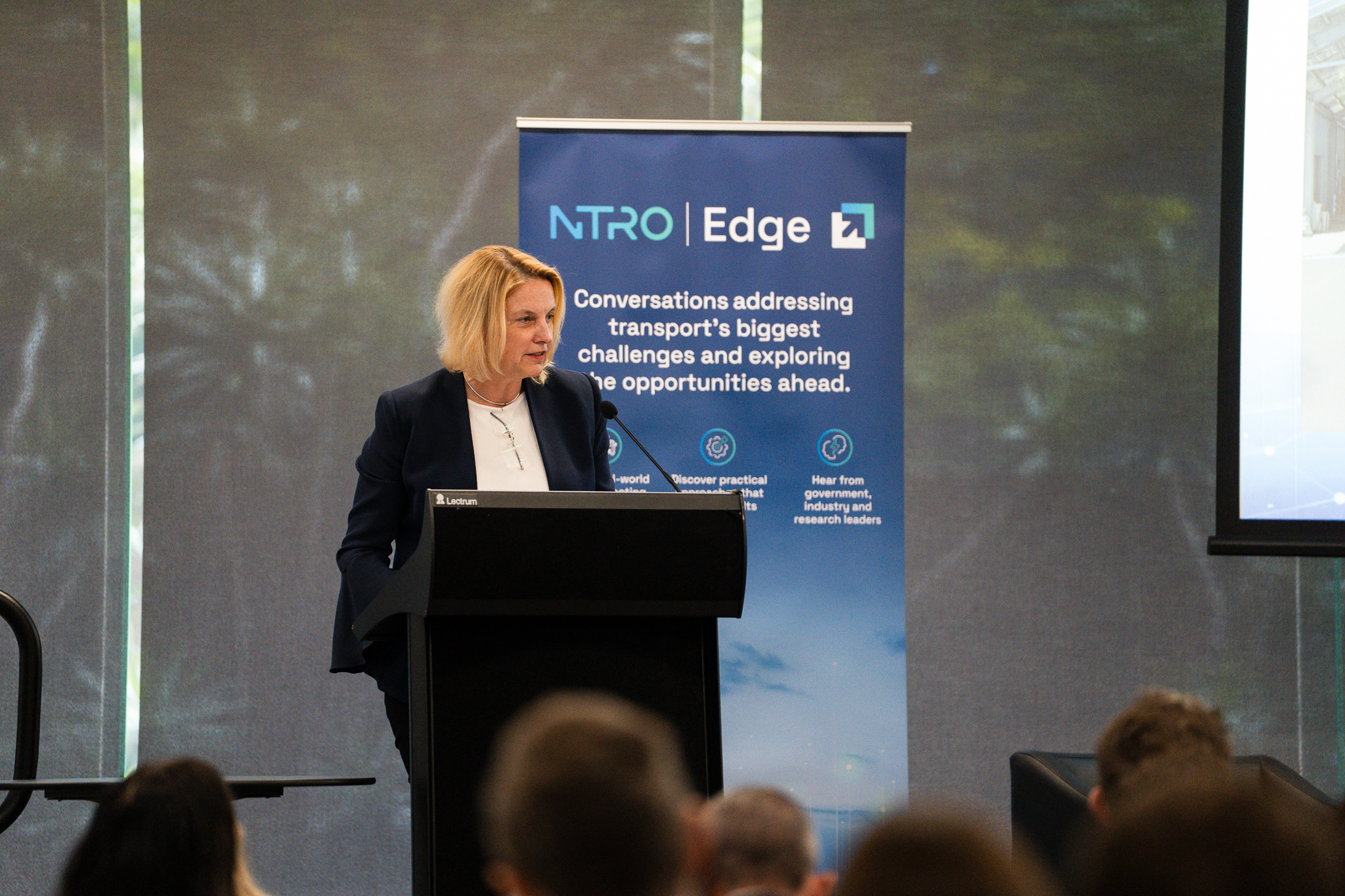
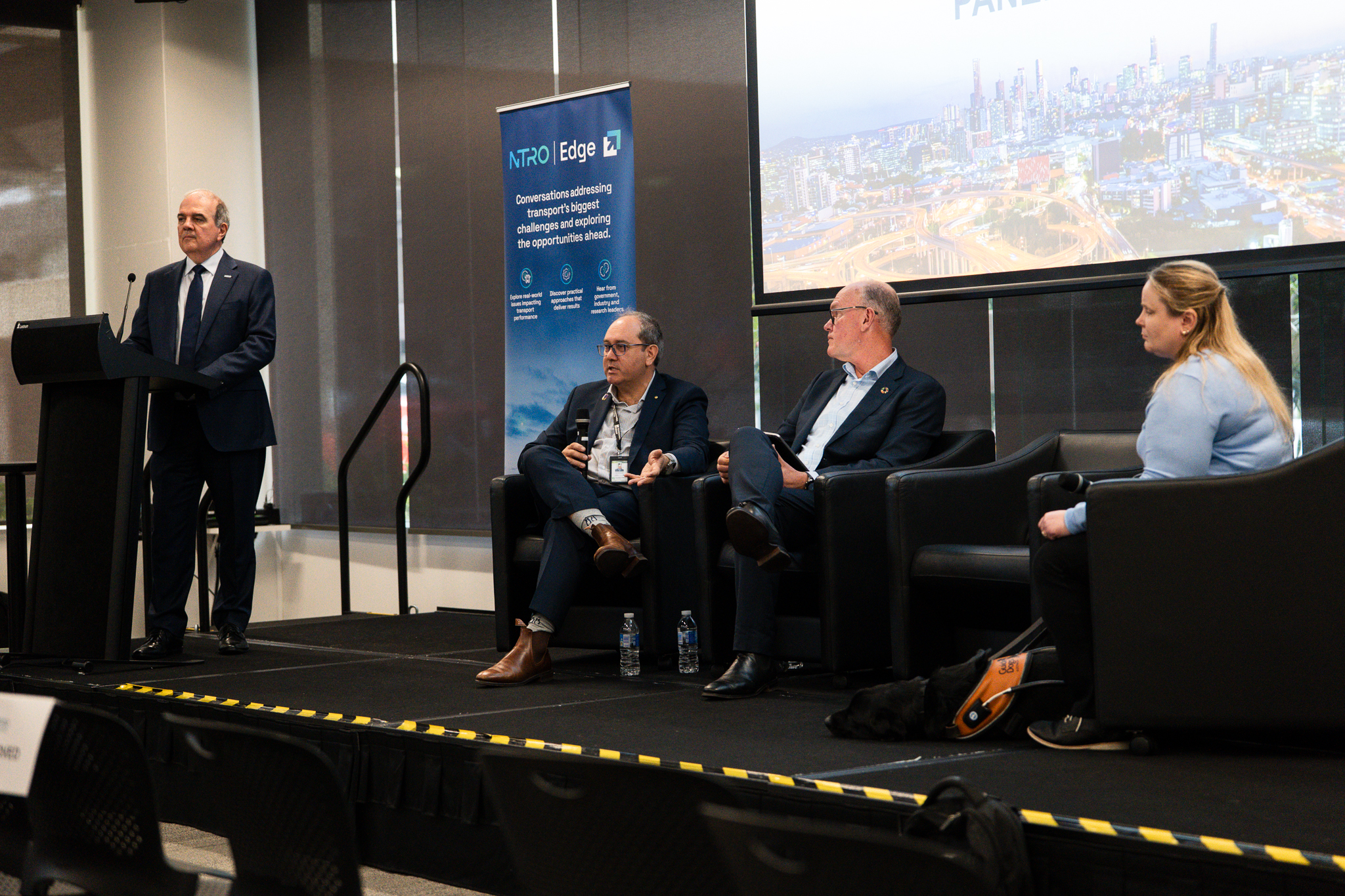
A full room heard from Sally Stannard, Director-General of the Queensland Department of Transport and Main Roads; Kat Stapleton, CEO of Queensland Rail; Sal Petroccitto OAM, CEO of Toowoomba Regional Council; and Caitlin McMorrow, NDIS and Aged Care Funding Specialist Lead at Vision Australia.
Together, their perspectives took the conversation from statewide transport planning and major infrastructure investment, through to regional connectivity, rail, accessibility and the lived experience of the people who ultimately rely on the network.
Transport is about access
One of the strongest themes of the morning was that the value of transport cannot be understood through traditional measures such as capacity, congestion, travel time and cost alone.
As Sally Stannard explained, transport is fundamentally about access. Where and how people can travel influences the jobs they can take, where they can afford to live, the schools and services they can reach and their ability to participate in their community.
That becomes increasingly important as Queensland experiences significant population growth alongside ageing communities, changing housing patterns and greater expectations around public and active transport. Poorly planned connections can contribute to longer commutes, higher household transport costs and dispersed growth, while well-planned transport can open new opportunities for communities and businesses.
Sally also challenged the sector to think more carefully about the purpose behind infrastructure investment: who is the infrastructure for, how will they use it and will it deliver better outcomes for the community?
That means judging projects not only by what gets built, but by whether they improve safety, local access and connectivity, and whether transport and land-use planning work together to support the places people want to live.
Regional connections mean more than getting from A to B
Kat Stapleton brought the discussion into regional and rural Queensland, drawing on a recent 26-hour journey aboard the Spirit of the Outback to Longreach.
In regional communities, a train service can represent far more than a transport option. It can be the connection to family, healthcare, education, tourism and economic opportunity. Across a state as large as Queensland, distance directly influences people's ability to access essential services and participate in the economy.
The same network also carries freight from mines, farms and manufacturers to ports and markets. Moving more freight by rail can reduce pressure on roads while supporting safety and regional economies.
Kat also shared a particularly human example of what connectivity means during natural disasters. When flooding cut road access to a community, a Queensland Rail hi-rail vehicle transported more than 3,500 people across the affected area, including first responders and essential goods.
The point was simple: sometimes a transport connection is the only connection a community has.
The regional growth challenge is already here
For Toowoomba Regional Council CEO Sal Petroccitto OAM, many of these questions are already playing out at a local level.
Toowoomba currently has a population of around 180,000 and is experiencing significant growth, yet remains heavily dependent on private vehicles and has comparatively limited public transport connections to Brisbane. At the same time, the region is a major generator of agricultural, industrial and freight activity.
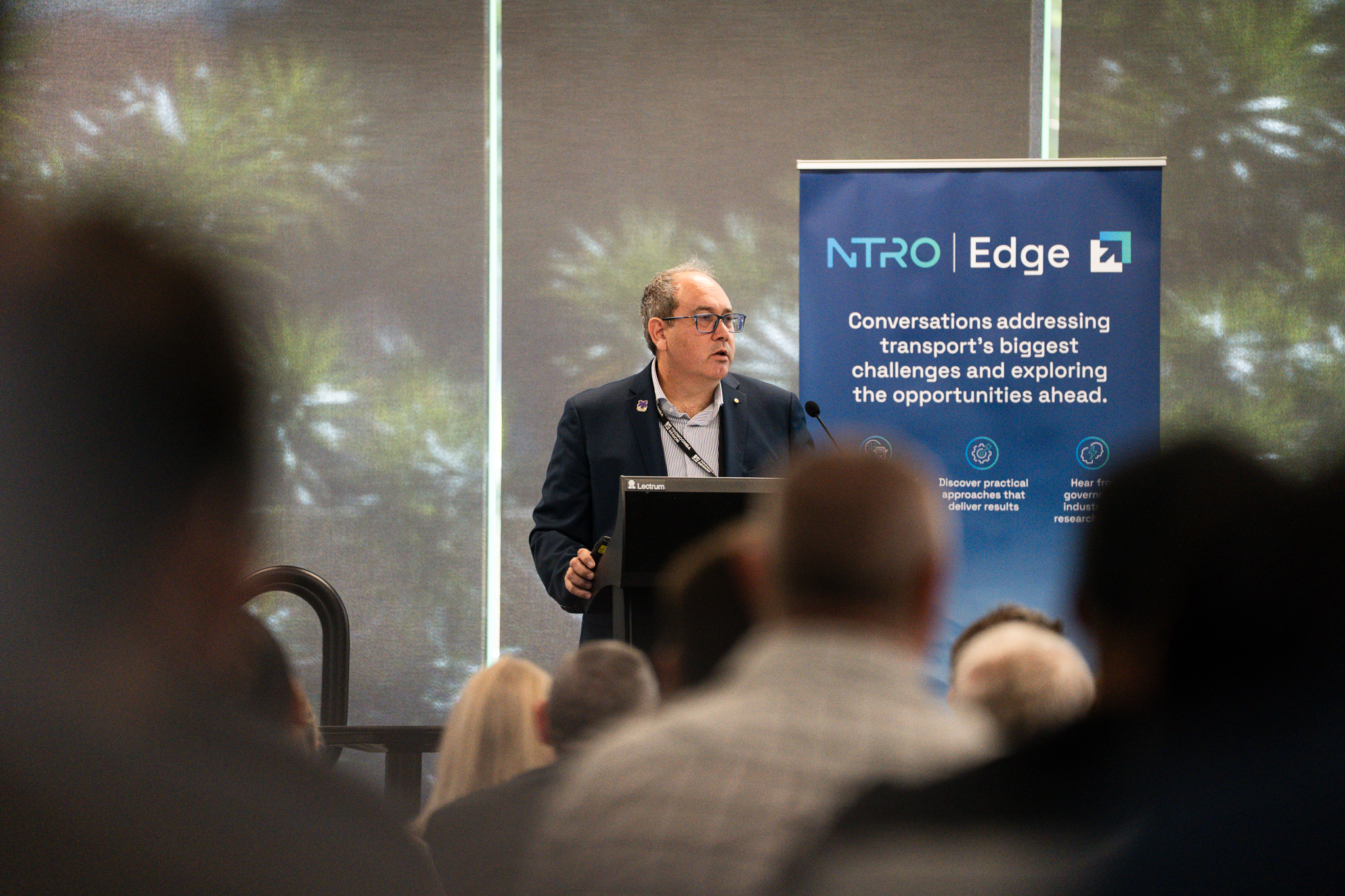
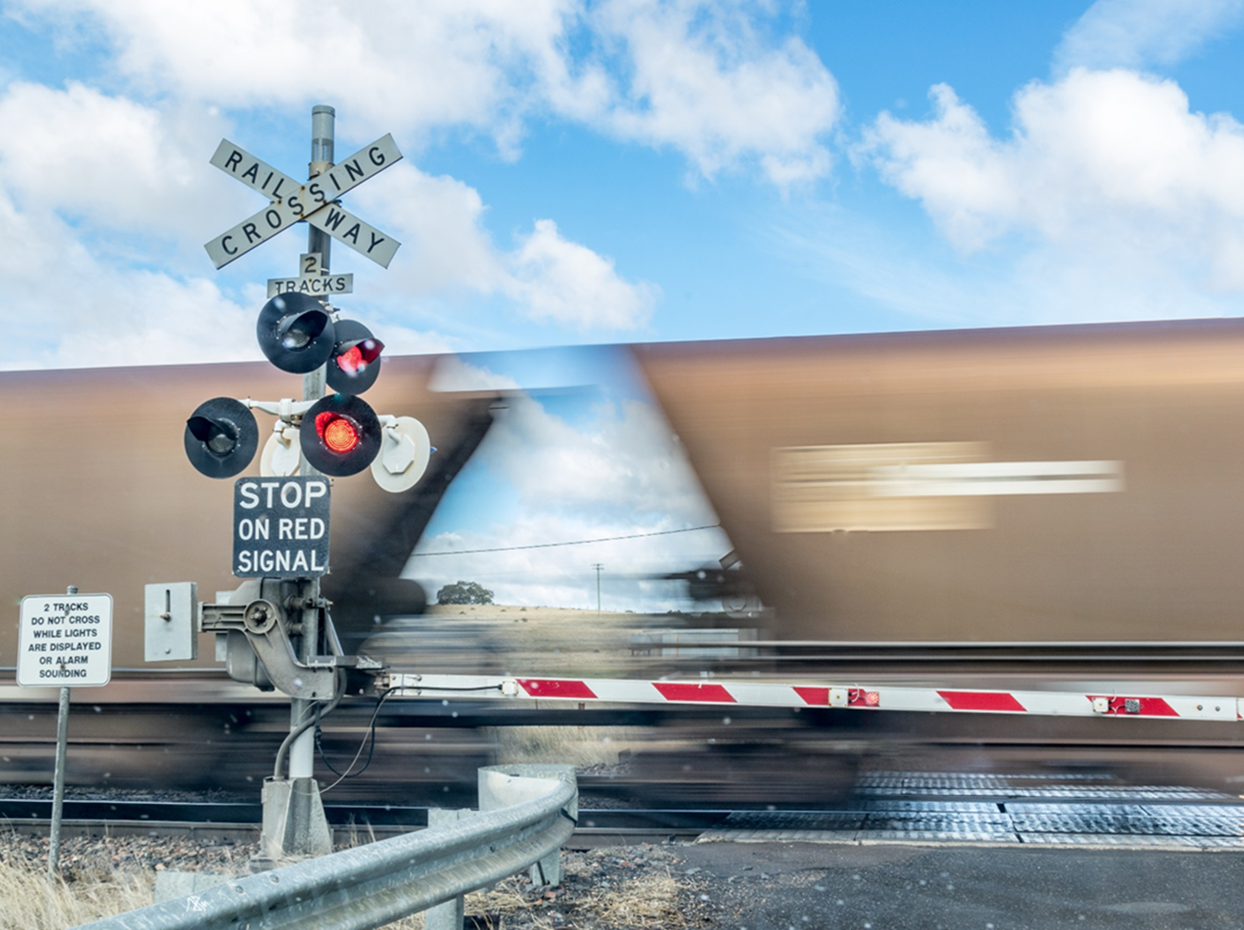
With the population projected to reach around 240,000 over the next 20 years, maintaining the status quo presents a significant challenge. Toowoomba is divided by 19 level crossings, while continued growth in passenger and freight movements will place further pressure on existing road corridors.
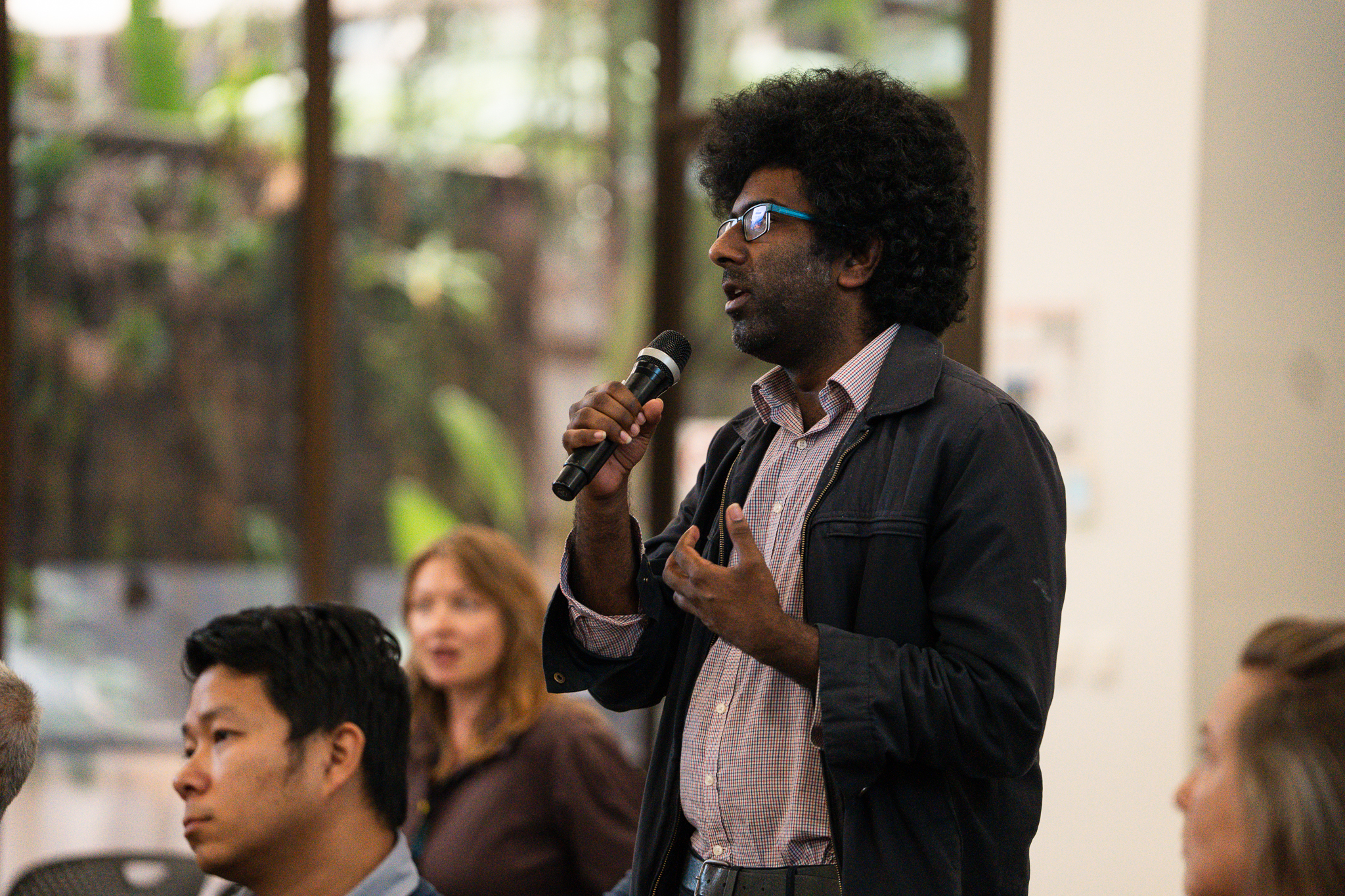
The discussion explored whether regional transport needs a different approach. Rather than waiting for population growth before providing public transport, Sal suggested regional communities may need the service first so people have a genuine opportunity to change how they travel.
That opened a broader conversation about modal shift, better connections between bus and rail, freight corridors and how transport investment can help shape regional growth rather than simply respond to it.
Accessibility has to work across the whole journey
Caitlin McMorrow brought the conversation directly back to the experience of the transport user.
Drawing on her professional and lived experiences, Caitlin explained why accessibility cannot be considered one mode at a time.
A journey might involve walking along a footpath, finding the right bus, transferring to a train, navigating a station and accessing digital information. If just one part is inaccessible, the entire journey can become impossible, regardless of how accessible the rest of the network might be.
This becomes particularly important as new technologies enter the transport system.
Automation could create significant new independence for people with disability, but only if accessibility is considered from the beginning. Accessible pick-up points, audio signals, voice-controlled interfaces and clear boarding information are examples of features that can determine whether emerging transport technologies remove barriers or inadvertently create new ones.
Caitlin's message was that accessibility should not be treated simply as a compliance requirement. Inclusive design can create safer, smarter and more effective transport systems for everyone, while retrofitting accessibility later can be both costly and unsuccessful.
From connection to innovation
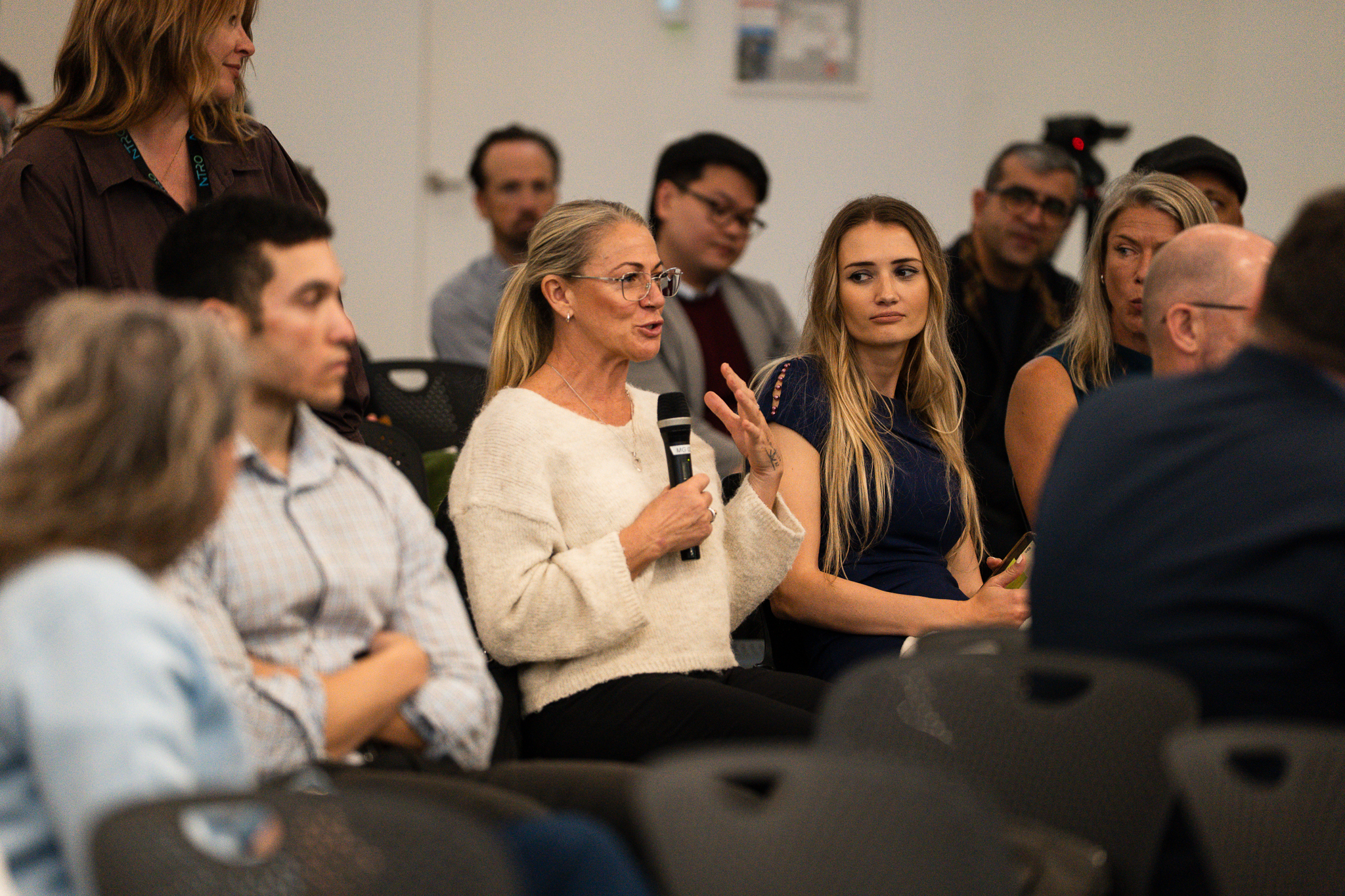
The value of NTRO Edge is in bringing different parts of the transport system into the same conversation.
Across the morning, the discussion moved from major infrastructure investment to school bus routes, regional rail, freight, housing, accessibility, autonomous transport and even the design of individual streets.
Despite the different perspectives, a common challenge emerged: our communities are changing, and transport needs to change with them.
That provides a natural starting point for the third and final event in the 2026 NTRO Edge series: Transport: Innovation for Economic and Social Growth.
The next conversation will explore where innovation can make a practical difference, from improving network and asset performance and freight productivity, to accessibility and social inclusion, decarbonisation, climate resilience, technology, data and safer transport systems.
The challenge now is not simply identifying what needs to change. It is finding practical ways to make that change happen.
Learn more about the next event in the link below.



.jpg)