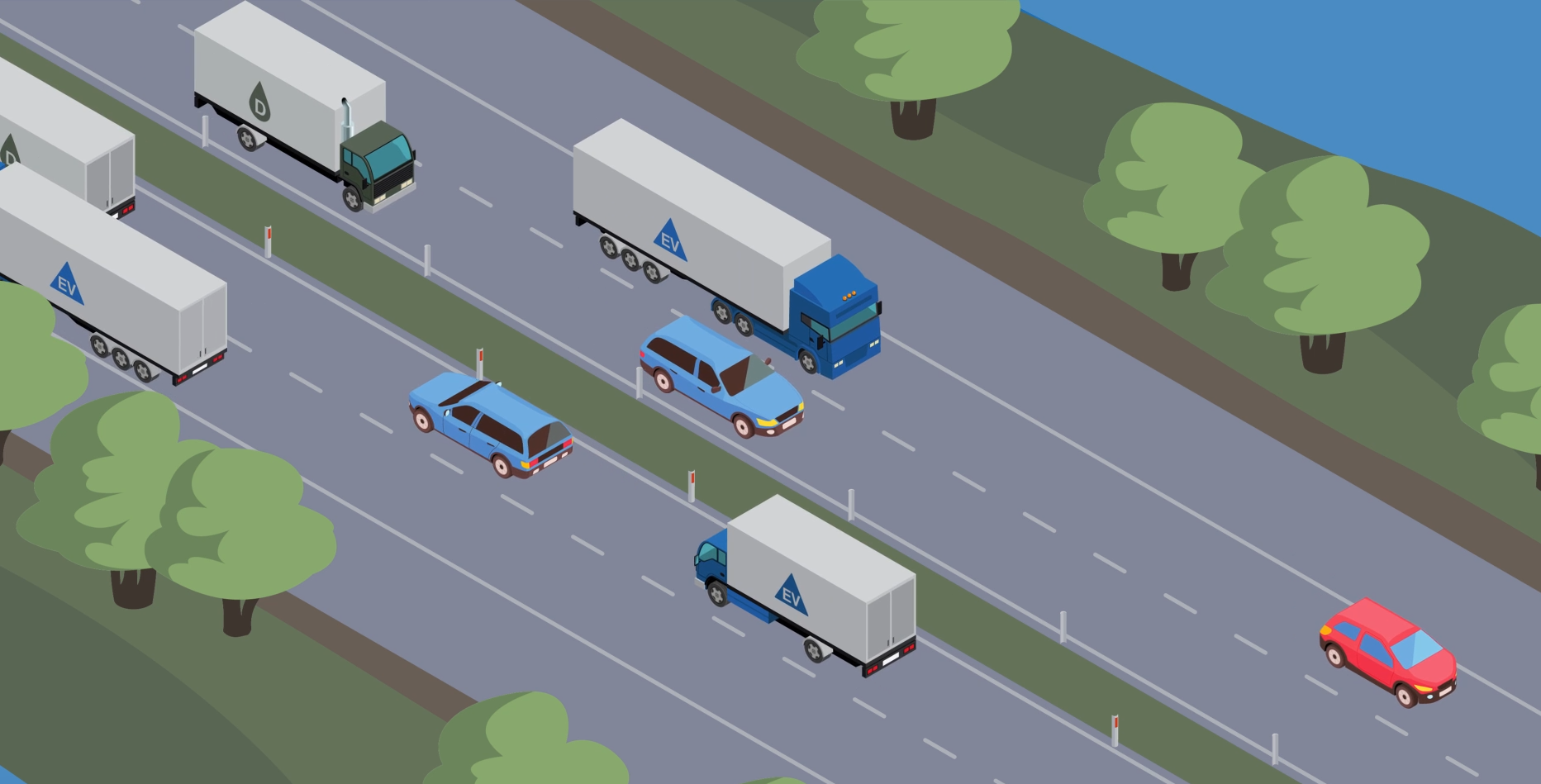
Electric trucks are becoming more common across Australia’s freight industry, bringing new questions around fire risk and how incidents should be managed. High-profile fires can create the impression that electric trucks are inherently more likely to catch fire, or that the source of every EV fire involves the battery.
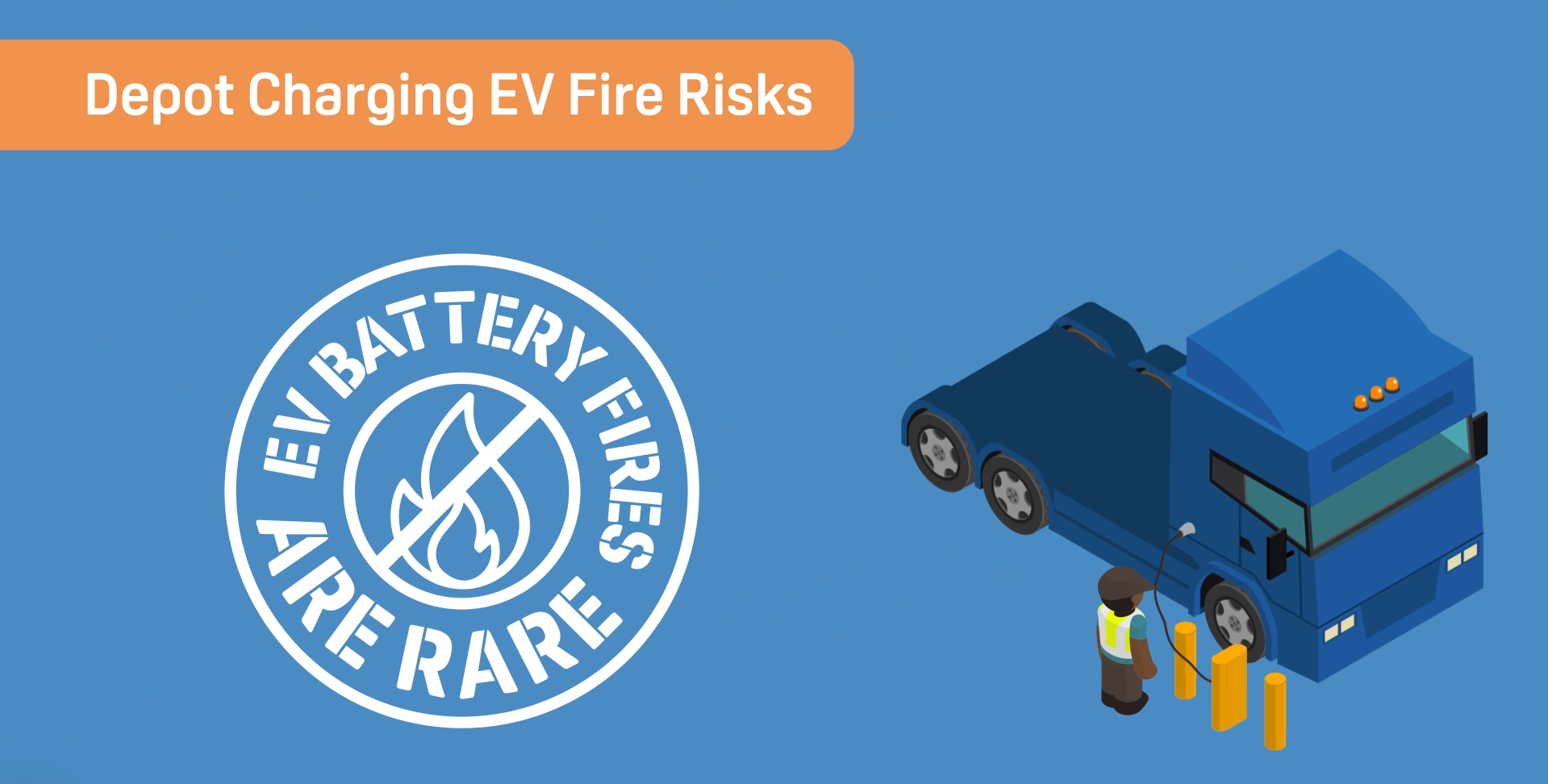
The evidence is more nuanced. New research found that fewer than half of fires involving electric vehicles originate in the battery system, with others beginning in conventional components such as wiring, tyres and cabin materials. When a battery is involved, however, thermal runaway can create different hazards, including intense heat, toxic and flammable gases, delayed ignition and re-ignition.
Understanding the differences is important, and so is knowing what to do with that information. The heavy vehicle industry needed a single, trusted source that could help drivers, workshop teams, depot staff and fleet operators understand the facts about electric trucks, including the potential risks associated with battery thermal runaway.
To meet the need, NTRO brought together the research, technical expertise and industry input required to establish the Electric Truck Fire Safety Information Toolkit, funded through the National Heavy Vehicle Regulator’s Heavy Vehicle Safety Initiative, supported by the Australian Government. The resource cuts through common myths and misconceptions, explains how these risks compare with conventional vehicles, and provides clear, evidence-based information to support a better understanding of EV safety.
Bringing technical expertise and industry together
NTRO established and managed the project, bringing together specialist fire safety expertise, heavy vehicle industry experience and education capability. Partner EV FireSafe led the technical review and developed the underlying fire safety content. This included numerous documented heavy electric vehicle incidents from Australia and overseas, covering truck and bus fires, charging incidents, collisions and depot scenarios.
NTRO recognised the importance of ensuring the toolkit reflected the realities of those operating, maintaining and supporting electric trucks, so it consulted widely across the sector. That input helped identify knowledge gaps and clarify the information people need in day-to-day operations.
The National Road Safety Partnership Program (NRSPP) at Monash University then worked with the technical material and industry feedback to turn that knowledge into designed resources.
“Misconceptions shouldn’t get in the way of progress, particularly with new and emerging technologies. Bringing together the right expertise, including industry stakeholders, EV FireSafe, NRSPP and people with real-world experience using and working with these vehicles, helped us separate fact from fiction and develop practical guidance grounded in what is actually being learned in the field. That’s important for supporting early adopters and the broader electrification of the heavy vehicle fleet.” - Anthony Germanchev, Project Leader and Principal Engineer, Transport Futures, NTRO.
For NTRO, coordinating the mix of technical expertise, industry input and education capability is part of how we turn innovation into practical solutions, helping industry transition safely to zero-emission freight.
Turning Evidence into Practical Guidance
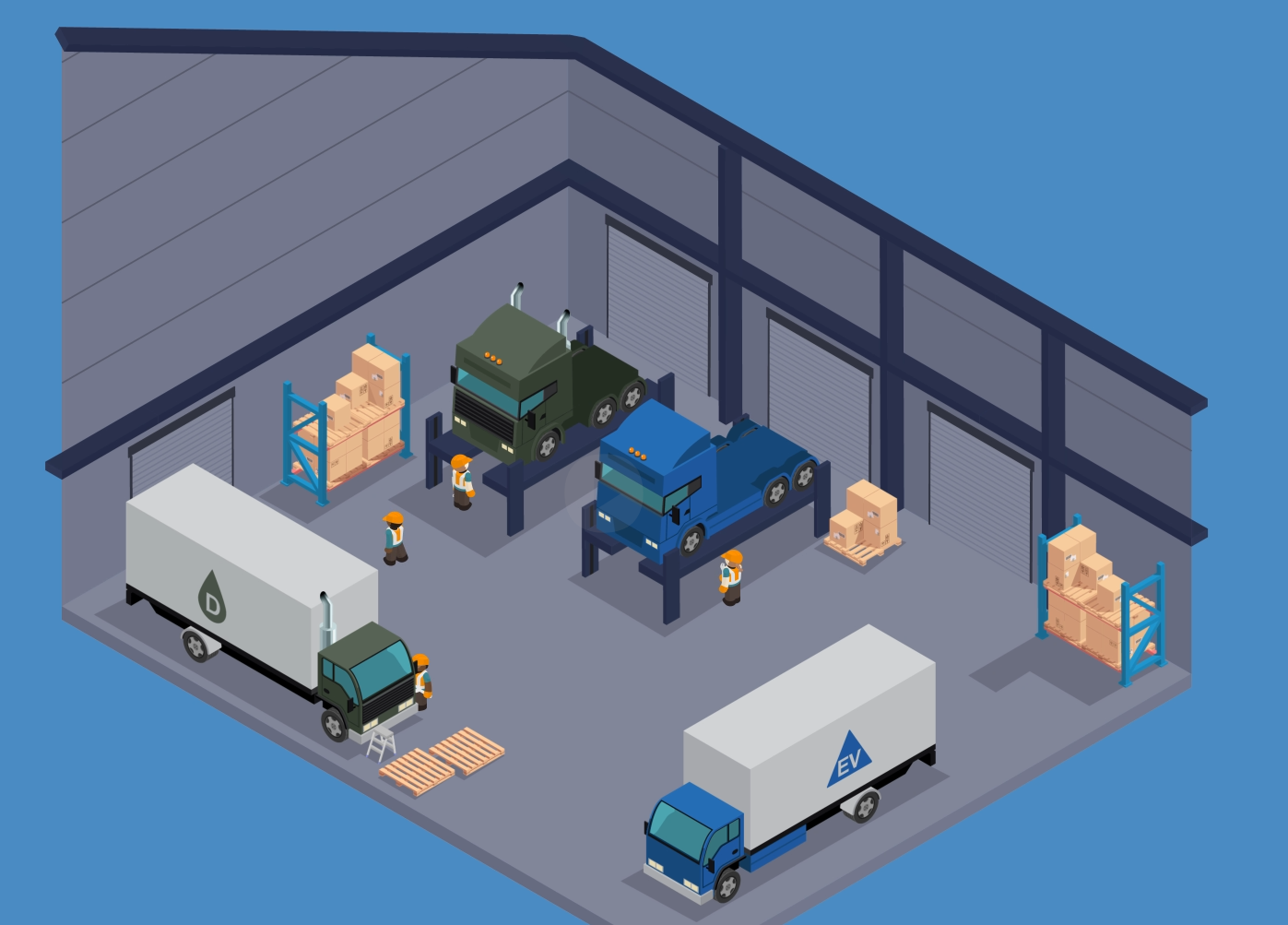
The resulting toolkit focusses on prevention, recognising warning signs, knowing when to evacuate, passing the right information to emergency services and understanding what happens after an incident occurs across three different scenarios: the workshop, the road and the depot.
The toolkit provides an education package covering EV basics, facilitator resources, fact sheets, workplace infographic posters and presentations and several videos.
The resources are now available for industry to use, share and incorporate into training and workplace safety programs.
Find the toolkit in the link below.